
Halo Laser Candidacy Questions Denver Patients Ask First

Every week, someone sits down in our treatment room and asks some version of the same question: "Is HALO laser actually right for me, or am I wasting my time?" It's a fair question, and it's one we'd rather answer honestly than oversell. HALO isn't a one-size-fits-all treatment, and the patients who love their results are almost always the ones who asked the right questions beforehand.
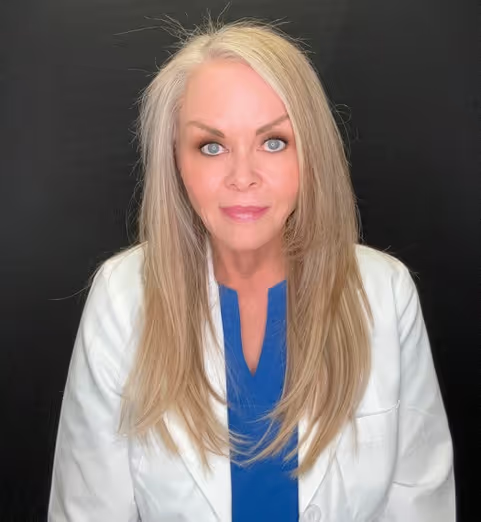
If you've been searching "halo laser treatment near me" and landed here, consider this your pre-consultation primer — the real answers to the questions we hear most, from two providers who've done this thousands of times.
What exactly does HALO treat?
HALO is a hybrid fractional laser, which means it combines two wavelengths in a single pass — one that works on the surface to address tone, texture, and pigment, and one that works deeper to encourage collagen remodeling. In plain terms: it's the treatment for sun spots, uneven tone, enlarged pores, fine lines, and that "tired" texture that foundation can't quite smooth over. If you're curious what that actually looks like on real Denver skin, we've documented it in HALO Laser Results: What Denver Skin Looks Like After.
Am I a good candidate?
Generally, yes, if you have visible sun damage, uneven pigmentation, textural roughness, or you're simply noticing your skin looks "flat" compared to a few years ago. Where it gets more nuanced is skin tone and active conditions — very deep skin tones need a carefully adjusted setting, and active melasma sometimes responds better to a different approach first. This is why we never guess at settings over the phone. A real consultation, where Jesica or Tara can look at your skin in person, always comes first.
Is HALO laser worth it, honestly?
This is the question underneath all the others, and we'll answer it the way we'd answer a friend: it depends on what you're trying to fix. If your main concern is texture and tone — the kind of damage that's accumulated over years of sun, altitude, and time — HALO delivers a level of improvement that topicals simply can't reach on their own, something we talk about more in After 40, Why Skin Stops Responding to Serums Alone. Patients consistently tell us their skin looks "lit from within," with compliments rolling in for months after. If you're looking for dramatic skin tightening or jawline contouring, though, that's a different conversation — one we'd likely point toward Morpheus8 or a combination plan instead.
How does HALO skin resurfacing actually feel, and what's the downtime?
We use topical numbing, and most patients describe it as warm, prickly heat rather than painful. Afterward, skin feels like a mild sunburn for a day or two, followed by light bronzing and flaking as the old surface sheds — usually resolving within four to seven days. It's more downtime than something like MOXI, but less than a traditional ablative laser. If redness lingers longer than expected, our team always walks patients through recovery, and we've put together specific guidance in Redness After Laser Treatments Fades Faster With These Steps.
How many sessions will I actually need?
Many patients see meaningful change after a single HALO session, especially for pigment and texture. But if your goals include deeper collagen remodeling, we typically recommend a series spaced a few months apart, which aligns with how skin naturally rebuilds over time. Some patients also ask how HALO compares to other lasers we offer — we break that down candidly in BBL Hero Versus MOXI: Which Laser Wins for Denver Skin? and Microneedling vs Laser: Which Treatment Wins for Denver Skin?, since HALO often gets grouped into that same decision.
Should I combine HALO with anything else?
Often, yes — and this is where an experienced provider matters most. We frequently pair HALO with BBL Hero for patients dealing with both texture and visible redness or sun damage, a combination detailed in Combining MOXI and BBL Hero Changes Denver Skin Dramatically. The right sequencing depends entirely on your skin's specific concerns, which is exactly why we map this out together rather than handing you a generic package.
When is the best time of year to book?
Because HALO increases sun sensitivity temporarily, fall and winter tend to be ideal in Denver's high-altitude sun, something our team discusses further in One Laser Treatment Denver Skin Specialists Recommend Before Fall. That said, with proper sunscreen and aftercare, we treat patients successfully year-round.
Where this leaves you
If you've read this far, you're probably not looking for a sales pitch — you're looking for clarity. That's exactly how we'd rather have this conversation in person, too. Come in, let Jesica or Tara look at your skin, ask every question on your mind, and we'll tell you honestly whether HALO is your best next step. You can learn more about the treatment itself on our HALO Laser page, or simply book a consultation and we'll take it from there.
More from our blog
Explore articles on skin care, treatments, and wellness.